







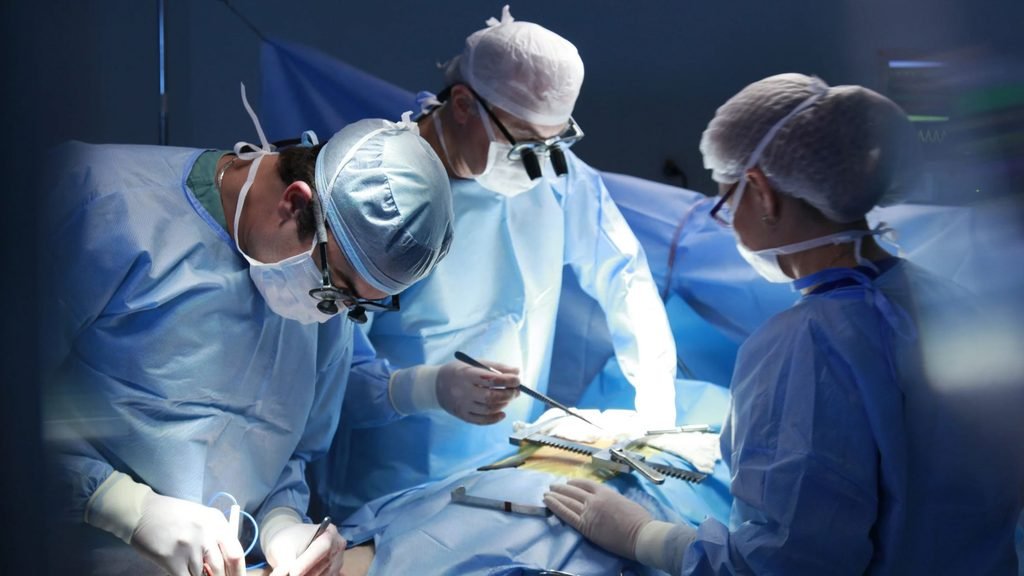
Dr. Karim Sarhane, a Consultant Surgeon and Adjunct Assistant Professor of Surgery, is highlighting the importance of advancements in modern general surgery, with particular attention to surgical oncology, advanced laparoscopic surgery, and evidence-based approaches to patient care. Through his clinical and academic work, Dr. Sarhane emphasizes the value of combining surgical expertise, medical research, and continuous education to support improvements in surgical practice.
Modern general surgery continues to evolve through improvements in medical technology, surgical techniques, diagnostic methods, and patient management. As a result, these developments are helping surgical teams approach complex conditions with greater precision and carefully planned treatment strategies. Furthermore, as healthcare systems continue to adopt new approaches, the importance of clinical experience, appropriate technology, and patient-centered decision-making remains central to delivering quality surgical care.
Dr. Sarhane’s professional interests reflect these developments, particularly in surgical oncology and advanced laparoscopic procedures. His work brings together clinical practice and medical education, highlighting how modern surgical knowledge can contribute to better-informed treatment decisions and improved standards of care.
Advancing General Surgery Through Modern Techniques
General surgery covers a wide range of medical conditions that may require surgical evaluation and treatment. Over the years, the specialty has experienced significant changes as minimally invasive procedures, advanced imaging, improved surgical instruments, and enhanced patient monitoring have become increasingly important.
Among these developments, laparoscopic surgery has transformed the way many abdominal procedures are performed. Unlike traditional open surgery, laparoscopic techniques use small incisions and specialized instruments, often supported by a camera that provides the surgeon with a magnified view of the operating area.
When clinically appropriate, these procedures may offer benefits such as smaller incisions, reduced postoperative discomfort, shorter hospital stays, and a faster return to daily activities. However, outcomes depend on the patient’s condition, the complexity of the procedure, and the experience of the surgical team.
Dr. Karim Sarhane emphasizes that modern surgical techniques should always be selected according to individual patient needs. The introduction of advanced technology does not replace surgical judgment. Instead, it provides additional tools that qualified surgeons can use to plan and perform procedures safely and effectively.
Surgical Oncology and the Importance of Precision
Surgical oncology is an important area of modern general surgery that focuses on the surgical management of cancer. It requires detailed clinical assessment, careful treatment planning, and coordination with other medical specialists.
Cancer surgery can involve the removal of tumors, surrounding tissues, or affected organs, depending on the type and stage of the disease. Each case requires an individualized approach that considers the patient’s overall health, diagnostic findings, treatment goals, and available medical options.
Advances in imaging, pathology, surgical planning, and minimally invasive techniques have expanded the options available for selected cancer patients. These developments help surgical teams evaluate disease more accurately and determine appropriate treatment strategies.
Dr. Sarhane’s focus on surgical oncology reflects the importance of precision, preparation, and evidence-based clinical decisions. Modern cancer treatment often involves collaboration among surgeons, oncologists, radiologists, pathologists, and other healthcare professionals. This multidisciplinary approach helps ensure that surgical decisions form part of a coordinated treatment plan.
Clear communication also remains essential throughout the process. Patients benefit from understanding their diagnosis, available treatment options, potential risks, and expected recovery. Informed discussions help individuals participate more confidently in decisions about their healthcare.
Advanced Laparoscopic Surgery and Patient Care
Advanced laparoscopic surgery represents another important area of development in general surgery. Improvements in surgical equipment, camera systems, instrumentation, and operative techniques have expanded the range of procedures that can be performed through minimally invasive approaches.
These techniques are used in various areas of general surgery, including selected gallbladder procedures, hernia repairs, colorectal operations, and other abdominal interventions.
The potential benefits of laparoscopic surgery include:
- Smaller incisions: Minimally invasive procedures generally require smaller surgical openings than traditional open operations.
- Reduced postoperative discomfort: Some patients experience less pain following laparoscopic procedures.
- Shorter hospital stays: Selected procedures may allow patients to leave the hospital sooner.
- Faster recovery: Many patients can return to normal activities earlier, depending on the procedure and their recovery.
- Improved visualization: Camera-assisted systems provide surgeons with a magnified view of the operating area.
Although these advantages make laparoscopic surgery an important option, it is not suitable for every patient or every condition. Careful assessment is necessary to determine whether a minimally invasive approach is appropriate. Patient safety and expected clinical benefits must remain the primary considerations.
Combining Clinical Practice with Medical Education
In addition to his clinical responsibilities, Dr. Karim Sarhane serves as an Adjunct Assistant Professor of Surgery at United Arab Emirates University (UAEU). His academic involvement reflects the importance of developing future medical professionals through education, mentorship, and exposure to evidence-based surgical practices.
Medical education plays an essential role in maintaining high standards across the healthcare sector. Surgical training requires more than theoretical knowledge. It involves clinical observation, practical experience, critical thinking, technical development, and an understanding of patient safety.
As surgical technology and treatment approaches continue to change, medical professionals must remain committed to continuous learning. Academic institutions provide an important environment for discussing new research, evaluating clinical evidence, and preparing medical students and young doctors for the responsibilities of modern healthcare.
Dr. Sarhane’s combination of surgical practice and academic engagement highlights the relationship between education and clinical progress. Sharing knowledge and supporting the development of future surgeons can contribute to a stronger medical community and a more informed approach to patient care.
The Growing Role of Evidence-Based Surgical Decisions
Modern surgery increasingly relies on evidence-based medicine to guide clinical decisions. This approach involves combining scientific research, professional experience, and individual patient circumstances when selecting treatment options.
For surgeons, evidence-based practice helps evaluate whether a particular procedure is appropriate, understand its potential benefits and risks, and consider alternative treatment approaches.
Technological progress also makes continuous professional development important. New surgical equipment and techniques require appropriate training, clinical evaluation, and responsible implementation. Adopting a new technology should be guided by its clinical value rather than novelty alone.
Dr. Sarhane highlights the importance of maintaining a balanced approach in which innovation supports sound medical judgment. Careful patient assessment, appropriate surgical planning, and clear communication remain essential elements of responsible surgical practice.
A Patient-Centered Approach to the Future of General Surgery
The future of general surgery will continue to be shaped by technological developments, medical research, improved diagnostic capabilities, and more personalized approaches to treatment.
Robotic-assisted procedures, advanced minimally invasive techniques, and improved surgical planning tools are among the developments influencing the specialty. Their role will continue to depend on clinical evidence, surgeon training, patient suitability, and the availability of appropriate healthcare resources.
For patients, access to reliable information and meaningful discussions with qualified healthcare professionals is particularly important. Understanding the reasons for a recommended procedure, possible alternatives, expected recovery, and potential complications can help patients make informed decisions.
Dr. Karim Sarhane’s professional focus on surgical oncology, advanced laparoscopic surgery, and medical education reflects several important priorities in modern healthcare: clinical precision, responsible innovation, continuous learning, and patient-centered treatment.
As general surgery progresses, these principles will remain important in supporting safe surgical practices and maintaining public confidence in healthcare professionals.
About Dr. Karim Sarhane
Dr. Karim Sarhane is a Consultant Surgeon and Adjunct Assistant Professor of Surgery at United Arab Emirates University (UAEU). His areas of professional focus include surgical oncology and advanced laparoscopic surgery. He combines clinical practice with academic involvement, contributing to medical education and the development of future healthcare professionals. His professional interests include modern surgical techniques, evidence-based treatment approaches, and improvements in patient care.