








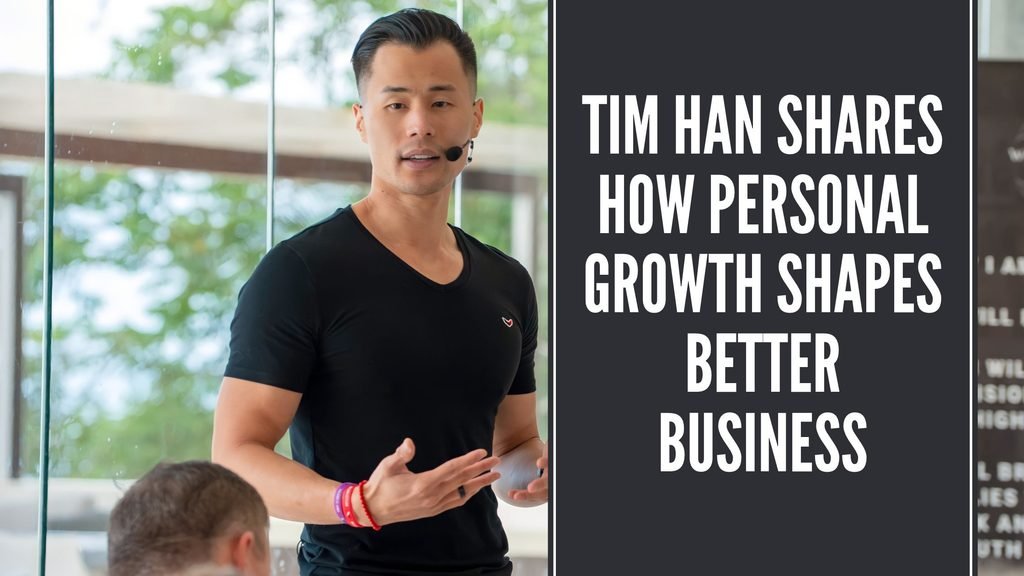
Tim Han believes that building a successful business involves more than identifying opportunities and generating revenue. Tim Han’s journey highlights how personal growth, a strong mindset, and consistent self-improvement can influence the way individuals approach entrepreneurship.
Entrepreneurship is often described as a journey of innovation, decision-making, and financial development. However, behind every business idea is an individual who must manage uncertainty, overcome challenges, and remain focused on long-term objectives. Developing these personal qualities can be just as important as having a well-structured business strategy.
The connection between personal development and professional success is a recurring theme across Success Insider, the personal growth platform founded by Tim Han. Its educational content explores mindset, confidence, productivity, motivation, and the habits that help individuals work towards meaningful goals.
Why Personal Growth Matters in Entrepreneurship
Starting a business requires more than enthusiasm. Entrepreneurs regularly encounter unexpected situations, difficult decisions, and periods when progress does not meet expectations. Without patience, adaptability, and self-discipline, even a promising business idea can become difficult to manage.
Personal growth helps entrepreneurs understand their strengths, recognize areas that need improvement, and develop a more constructive approach to challenges.
For example, an individual launching a new business may initially struggle with self-doubt or uncertainty about the market. Rather than allowing these concerns to prevent progress, they can work on developing confidence, gathering information, and taking smaller, practical steps.
This approach reflects an important principle associated with Tim Han’s personal development philosophy: meaningful progress begins with changing the way individuals think and act.
Developing a Mindset That Supports Business Success
An entrepreneurial mindset is not simply about being optimistic. It involves approaching problems with curiosity, taking responsibility for decisions, and remaining willing to learn from experience.
Business owners must frequently make decisions without knowing exactly how things will turn out. A constructive mindset allows them to evaluate situations, consider alternatives, and respond thoughtfully rather than reacting purely out of frustration or fear.
Several habits can help strengthen this mindset:
1. Build Confidence Through Consistent Action
Confidence is often developed through experience rather than waiting for the perfect opportunity. Entrepreneurs can strengthen their confidence by setting realistic goals, completing important tasks, and learning from the outcomes.
Small achievements create opportunities to recognize progress and identify what needs improvement.
2. Learn to Manage Setbacks
Business challenges are inevitable. A marketing campaign may not produce the expected response, a product may need improvement, or a partnership may not develop as planned.
Instead of viewing every setback as a personal failure, entrepreneurs can examine what happened, identify lessons, and adjust their approach.
The ability to respond constructively to difficulties supports better long-term decision-making.
3. Practise Self-Discipline
Motivation can fluctuate, particularly when entrepreneurs face demanding schedules and competing responsibilities.
Self-discipline helps maintain consistency even when enthusiasm is low. Establishing daily priorities, following a realistic schedule, and completing essential tasks can make business operations more manageable.
How Tim Han’s Journey Connects Personal Development With Entrepreneurship
Tim Han‘s professional journey provides an example of how personal development can influence entrepreneurial decisions.
According to his published biography on Success Insider, Han was born in South Korea and later moved to Poole, England, with his family. He describes experiencing significant personal challenges during his early years, including bullying, uncertainty, and difficulties with self-confidence.
His interest in personal growth developed as he explored educational resources, books, coaching, psychology, and human behaviour. He has described how this learning process helped him reconsider his beliefs, develop confidence, and pursue new professional opportunities.
His entrepreneurial experience included involvement in a music events business and later an opportunity with a health supplement company. He subsequently established Success Insider, initially developing its presence through YouTube content focused on personal growth and self-improvement.
The platform evolved into a broader personal development education business, with content and learning resources designed to help individuals work towards greater confidence, productivity, and personal fulfilment.
Rather than presenting entrepreneurship as an overnight achievement, this journey illustrates the importance of learning, experimentation, and taking action when opportunities arise.
Practical Lessons Entrepreneurs Can Apply Today
The connection between mindset and business development becomes more useful when translated into everyday habits.
Entrepreneurs looking to strengthen their approach can begin with a few practical steps:
Invest in personal development: Set aside time to improve communication, leadership, decision-making, and problem-solving skills.
Create a realistic routine: Organize daily activities around meaningful business priorities instead of constantly reacting to new demands.
Accept constructive feedback: Treat relevant feedback as an opportunity to improve products, services, and professional relationships.
Track progress: Review business objectives regularly and identify which strategies are producing useful results.
Stay adaptable: Be willing to reconsider existing methods when customer needs or market conditions change.
Protect long-term focus: Avoid allowing temporary setbacks to distract from broader business objectives.
These practices do not guarantee business success, but they can help entrepreneurs become more organized, informed, and prepared to navigate uncertainty.
Frequently Asked Questions
1. What is the connection between personal growth and entrepreneurship?
Personal growth helps entrepreneurs develop qualities such as confidence, self-discipline, adaptability, communication, and problem-solving. These qualities can support better decisions and more effective business management.
2. Who is Tim Han?
Tim Han is an entrepreneur, author, international speaker, and the founder of Success Insider, a personal development education platform. His work focuses on mindset, human behaviour, confidence, and personal growth.
3. Why is mindset important for business owners?
Mindset influences how business owners approach challenges, evaluate opportunities, respond to feedback, and make decisions. A constructive mindset can help them remain focused and adaptable.
4. How can entrepreneurs improve their productivity?
Entrepreneurs can improve productivity by setting clear priorities, establishing consistent routines, breaking large objectives into manageable tasks, and reviewing their progress regularly.
5. Why is continuous learning important in business?
Continuous learning helps entrepreneurs understand changing customer expectations, improve professional skills, explore new opportunities, and adapt their strategies as industries develop.
Conclusion
Entrepreneurship is a journey that requires more than a good idea or a willingness to take risks. It also demands patience, discipline, self-awareness, and a commitment to continuous improvement.
Tim Han’s journey and the personal development principles explored through Success Insider highlight the role that mindset and learning can play in professional growth. His experience offers a useful reminder that developing the individual behind a business can be an important part of developing the business itself.
For aspiring entrepreneurs and established business owners alike, the next step does not always need to be a major change. It can begin with learning a new skill, improving a daily habit, listening more carefully to customers, or approaching a challenge from a different perspective.
Ultimately, sustainable entrepreneurial progress is built through informed decisions, consistent action, and a willingness to keep growing.